
Terracotta at Home
Bringing Earthy Warmth Into Modern Interiors
By Ayman Anika
A terracotta bowl on a wooden table can do what an expensive decorative object sometimes cannot. It can make a room feel lived in.
There is something immediately familiar about clay. Its matte surface, uneven texture, earthy colour, and handmade quality introduce a sense of calm that polished metal, plastic, or high-gloss finishes often struggle to create. In contemporary homes, where interiors can easily become too sleek or visually cold, earthen and terracotta elements offer a natural counterbalance.
They bring warmth without excess, texture without clutter, and character without making a space feel overdesigned.
This is one reason terracotta has remained relevant across generations. It fits easily into traditional homes, but it can also sit comfortably inside minimalist, modern, rustic, or even industrial interiors. Its strength lies in its simplicity.
Terracotta, which literally refers to fired earth, carries the visual qualities of the material it comes from. Shades often range from soft rust and burnt orange to deep brown and muted red. These colours naturally make interiors feel warmer, especially when paired with neutral walls, wooden furniture, natural fabrics, and indoor plants.
But the appeal goes beyond colour.

Clay surfaces tend to have small variations, slight imperfections, and visible traces of the making process. These details create a sense of individuality. Unlike mass-produced objects that look identical, handmade earthen pieces often carry subtle differences in shape, finish, and texture.
That makes them particularly effective in homes where residents want spaces to feel personal rather than showroom-perfect.
Bringing nature indoors
One of the strongest qualities of terracotta is its ability to connect indoor spaces with nature.
In urban homes, where access to open space may be limited, material choices become increasingly important. Natural materials such as wood, cane, jute, stone, and clay can soften interiors and create a more grounded atmosphere.
Terracotta planters are perhaps the easiest way to introduce this quality.
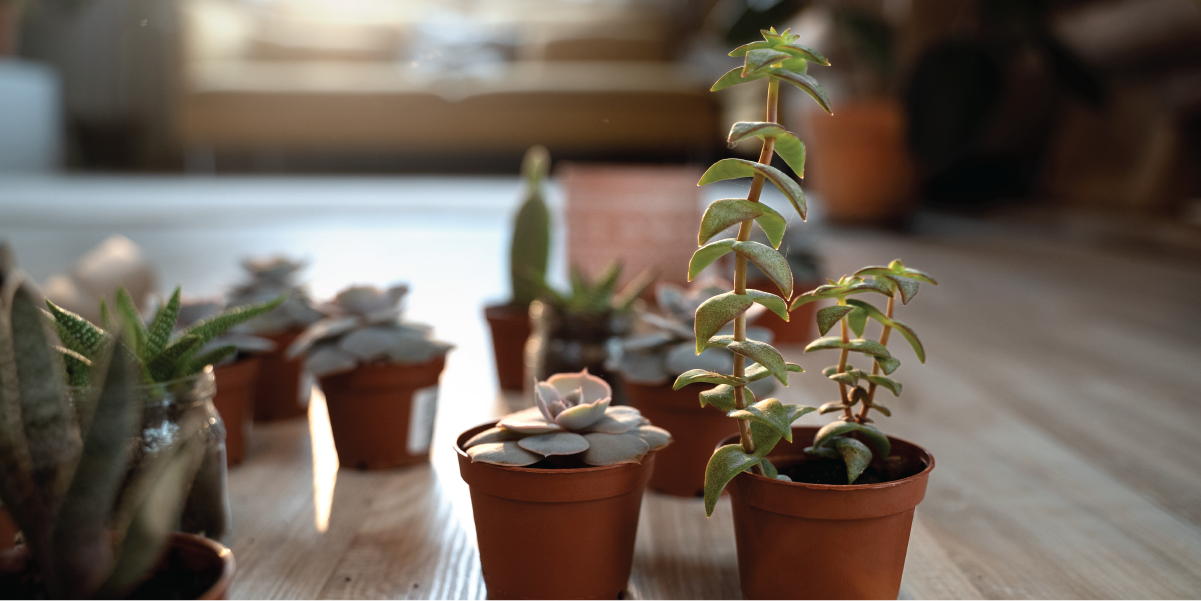
They work particularly well with leafy plants, herbs, succulents, or small indoor trees. The combination of green foliage and warm clay creates a natural visual contrast while keeping the overall look understated.
Even without plants, oversized earthen pots can work as sculptural objects in corners, entryways, balconies, or beside large windows.
Smaller clay pieces can also be used across the home. Bowls, vases, candle holders, trays, lamps, and decorative plates can introduce texture in a subtle way.
The key is not to overuse them.
A few carefully chosen pieces often create a stronger effect than filling every shelf with similar objects.
A material that works with many styles
Terracotta is especially versatile because it does not belong to one specific design language.
In a minimal interior, a single large clay vase can provide warmth against a white or beige wall. In a more traditional Bangladeshi home, earthen objects can sit naturally alongside cane furniture, woven textiles, nakshi kantha, wooden pieces, or handloom fabrics.
For homes with a more contemporary aesthetic, terracotta can be paired with black metal, glass, or clean-lined furniture to soften the overall mood.
The contrast is often what makes the material interesting.
A rough clay lamp beside a sleek sofa can prevent the room from feeling too formal. Similarly, a terracotta planter can make a modern study or office corner feel less rigid.
Wall décor is another area where terracotta can work effectively. Clay plates, tiles, sculptural panels, and handcrafted wall pieces can add depth to otherwise plain surfaces.
Because terracotta naturally has a strong visual presence, even small additions can transform a room.
Beyond decorative objects
Earthen elements do not have to be limited to accessories.
Terracotta tiles can be used on floors, verandas, kitchen walls, courtyards, or feature sections. Their warm tones can make spaces feel instantly more inviting.
In larger homes, clay jaalis or perforated screens can also offer both visual interest and practical value. These screens allow light and air to pass through while creating privacy and shadow patterns.
This makes terracotta particularly relevant to architecture in warmer climates, where ventilation and filtered light are important.
Clay lighting fixtures can create another distinctive effect. When light passes through textured or perforated clay, it produces softer shadows and a warmer atmosphere than many conventional fixtures.
These pieces work especially well in dining areas, reading corners, bedrooms, and balconies.

The value of imperfection
Part of the growing appeal of earthen décor comes from a broader shift in how people think about interiors.
Perfectly coordinated homes can often feel impersonal. Increasingly, people are drawn to spaces that feel collected, layered, and connected to craft.
Terracotta naturally fits into that approach because it celebrates irregularity.
A slightly uneven rim or hand-shaped surface is not necessarily a flaw. It is evidence that the object has been made rather than manufactured.
This sense of human touch is especially important at a time when so much of everyday life is digital and automated.
Crafted objects introduce slowness into the home. They remind us that materials come from somewhere, that someone worked with them, and that objects do not need to be perfect to be beautiful.
Creating a grounded home
The easiest way to work with terracotta is to start small.
A planter, lamp, vase, or bowl can be enough to change the mood of a room. From there, homeowners can build gradually, combining clay with other natural materials instead of treating it as a separate theme.
Texture is important. Pair smooth fabrics with rough earthen surfaces, or combine terracotta with linen, cotton, cane, wood, or woven rugs.
Lighting also matters. Warm natural light tends to bring out the depth of terracotta more effectively than harsh white lighting.
Most importantly, the material should feel connected to the rest of the home rather than added simply because it is fashionable.
That may be the real strength of earthen décor. It does not demand attention, but it changes how a room feels. In spaces filled with hard surfaces, technology, and manufactured finishes, clay introduces something quieter. It makes the home feel warmer, more tactile, and more human.
And sometimes, a little earth is exactly what a modern home needs.