Don’t Drink The Haterade
The BTS-Chris Brown controversy exposes a curious double standard in how artists are held accountable for their actions.
By Mahabin Rahman
There are times when we, as a society, respond to certain situations with a level of accountability that feels appropriate. And then there are times when that same accountability becomes selective, turning into a clear case of double standards.
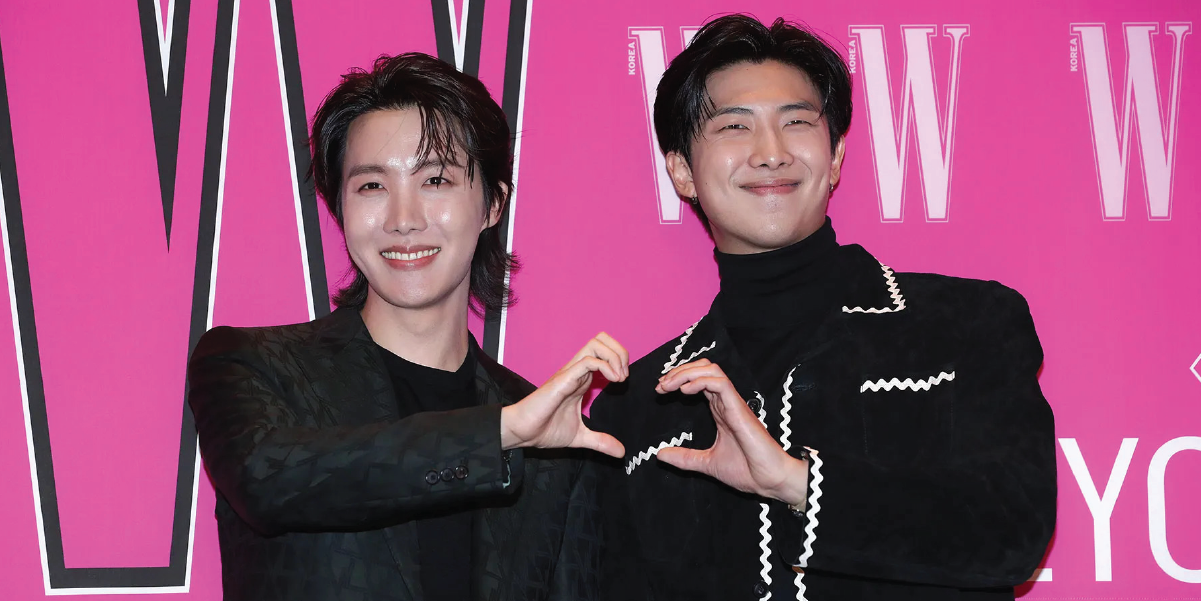
On August 12, RM and J-Hope of BTS attended Chris Brown and Usher’s joint R&B tour stop at Rogers Stadium in Toronto. The two BTS members were also photographed backstage with Chris Brown and Usher, posing with the artists after the show.
The appearance quickly drew attention online, particularly because of Chris Brown’s long and controversial history. While the criticism of his past actions is understandable, the reaction to RM and J-Hope’s attendance also raises a broader question, when we are holding artists accountable for their actions, where do we draw the line?
RM and J-hope have always been open about their admiration for western rappers and R&B artists, often speaking about how their music has influenced them. They attend their concerts whenever they get the chance and share those memories with their fans on social media, but this time, that openness backfired.

Their attendance sparked online backlash, along with haters, some fans also expressing disappointment over their decision. The personal choice to attend a concert quickly became a part of much larger debate. Things escalated further when the criticism transitioned from questioning their decision to attend, to condemning them for being associated with Chris Brown, with some reactions treating their presence at the concert as an endorsement of everything the artist has done.
The Pixel Project’s Selection 2024: 16 Male Role Models Helping to Stop Violence Against Women – 5th Edition suspended RM indefinitely from its list following the backlash adding fuel to the fire. What makes the decision even more striking is that the organisation’s original selection of RM was specifically based on his willingness to acknowledge past mistakes, educate himself and work toward changing his perspective on gender equality.
RM has spoken publicly about receiving criticism over misogynistic lyrics and subsequently having his lyrics reviewed by a women’s studies professor as part of his effort to learn and improve.
Bad Bunny, who had previously shared the stage with Chris Brown and performed alongside him, was still on the list. Fans were quick to point out the apparent inconsistency, questioning why RM was removed while Bad Bunny remained. Following the backlash and the questions raised by fans, The Pixel Project later removed Bad Bunny from the selection as well.
Now the question is, how come simply attending a concert has this effect on an artist’s profile and has the power to erase everything they stand for and will continue to do so? And why, instead of boycotting the actual perpetrator, do we go around making things difficult for those who do not deserve it? Maybe because it is easier.
We do not see massive cancellation or disbandment calls for other artists who have done wrong or are constantly associated with the wrong people, do we? But when it is BTS, we see it instantly. That is the so-called selective accountability standard we keep seeing.
There are several things wrong with the way this situation has gone astray. It is certainly not new for BTS to be blamed or attacked over the smallest things they possibly do, but at some point, this needs to stop. Criticism is one thing, but constantly looking for reasons to frame everything they do is something else. When an ordinary decision is repeatedly turned into evidence against them, it becomes difficult to see the outrage as simply being about the incident itself. Sometimes, it feels like all it takes is an excuse for people to react to BTS in the most negative way possible, always taking their reaction to the superlative.
There is always a pattern when it comes to BTS. The boys do something extraordinary that the industry needs to stomach, and then, to get back at them, people start dragging them for anything and everything they do.
This is where the double standard becomes impossible to ignore.
If attending a concert and being photographed with an artist is enough to question RM’s character and remove him from a list of male role models, then why is the same standard not applied to everyone?
Why does the outrage suddenly become this extreme when the people involved are BTS? We have seen artists associate, collaborate and perform with controversial figures without their entire character being put on trial in the same way. Yet when it comes to BTS, every action seems to be taken to the most extreme possible conclusion.
And this is also where the question of racism cannot simply be dismissed. K-pop artists, particularly BTS, are often treated differently from Western artists, with their every move scrutinised and magnified in ways that are difficult to ignore. Criticism is fair, but when the same action receives completely different treatment depending on who does it, we have to question what is driving that difference. RM and J-Hope attended a concert. That does not make either of them a threat to women, nor does it make them responsible for another artist’s actions. It certainly should not be enough to erase everything they have stood for.

The way some other fandoms are using the hashtag and calling for BTS to disband is almost a satire in itself. And amidst all of this, BTS continues to live their lives and move forward with their massive world tour is something to learn from that sometimes the silence is the biggest protest.
It is also worth remembering that BTS’s stance towards social issues cannot be measured by one concert appearance. Over the years, the members have supported causes through donations, advocacy and in the case of Suga and Jin, hands- on volunteering. There is a long record of them using their platform and resources to support issues beyond their music. To overlook all of that and reduce their position to one personal choice, taken completely out of context, is a narrow way of judging someone. One decision does not suddenly cancel out years of actions and contribution.
Accountability should never depend on whose name is attached to the situation. If the standard is real, it should be applied equally. If it is only brought out when the target is BTS, then it is not accountability at all. RM can be criticised for attending the concert, just as any artist can be questioned for their choices, but turning one decision into proof that he is unworthy of everything he has stood for is disproportionate. BTS have spent years building their own identity, music and values, and no photograph, hashtag or wave of online outrage can erase that. At some point, people have to decide whether they are actually standing for a cause or simply waiting for the next reason to tear BTS down.