Arka Fashion Week 2026: Three Days of Fashion, Culture and Reinvention
By Maisha Marium
The gamcha has never needed an introduction in Bangladesh. It is found in almost every household, used across generations and recognised by its familiar checks, stripes and colours. It is an everyday textile, but carries a distinct place in the country’s cultural memory. For its 2026 edition, Arka Fashion Week is bringing this familiar textile into the fashion spotlight, making it the central inspiration behind three days of runway showcases, creative exchange and cultural experiences.
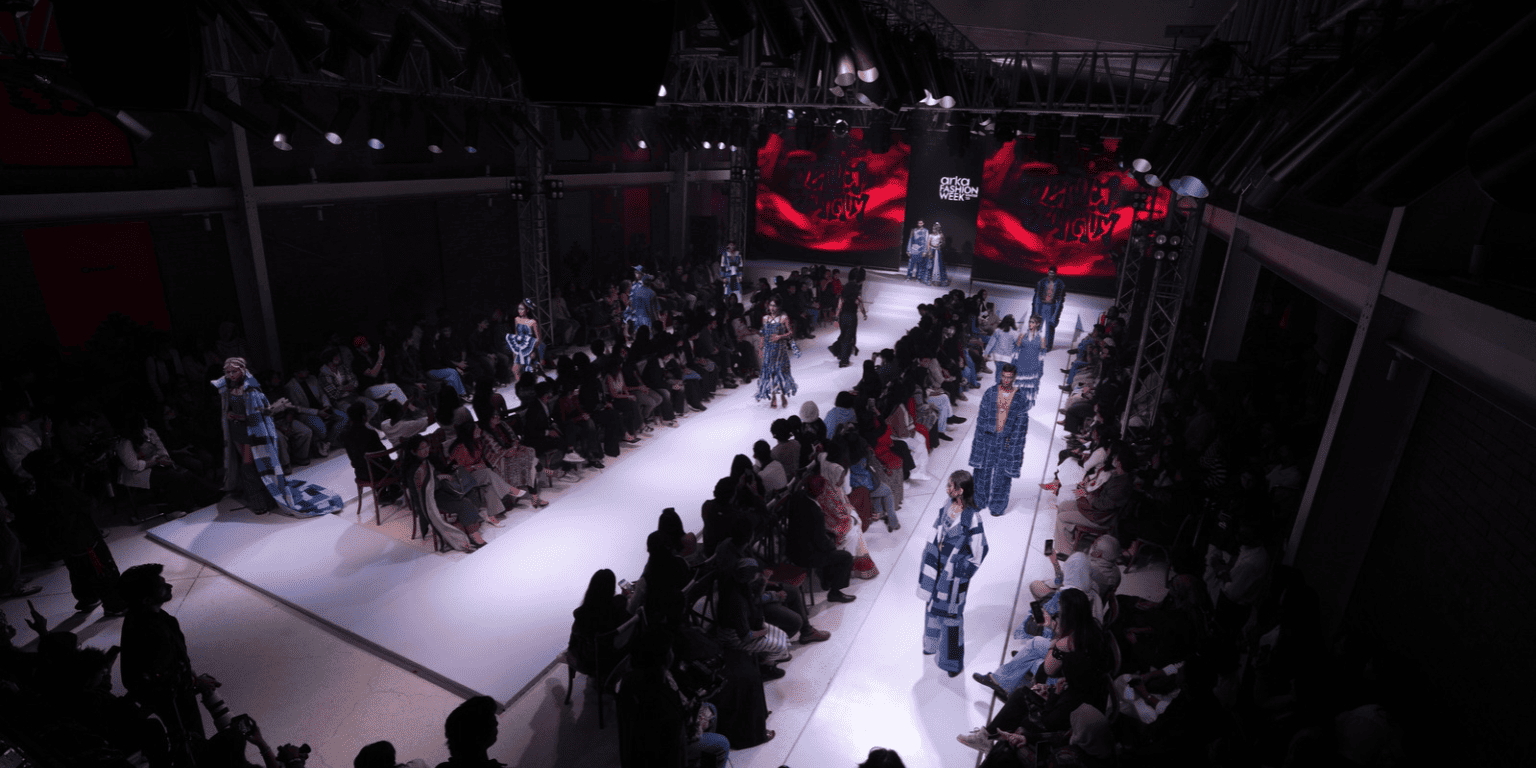
Scheduled for 4, 5 and 6 December at Aloki, Dhaka, this year’s Arka Fashion Week will follow three themes: fusion, contemporary and heritage. Organised by Kulture, the event brings together Bangladeshi and international designers, independent brands, musicians and creative practitioners, with a programme spanning six zones. MW Magazine, Daily Star Lifestyle, Nutshell Today and Cablgram are among the event's partners.
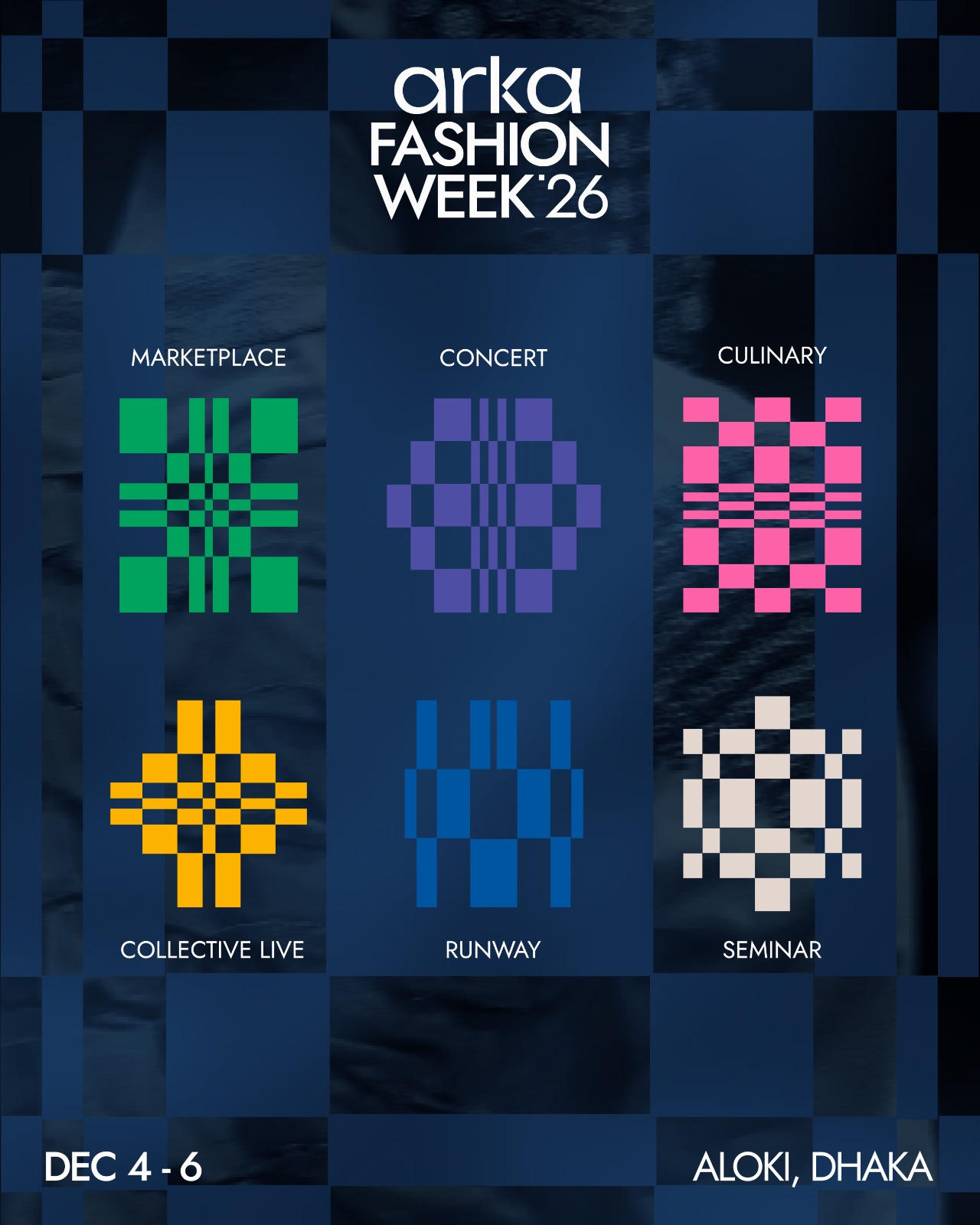
The choice of the gamcha gives this edition a distinctly local identity. Its patterns inform the event’s visual language, including a series of geometric, woven-inspired motifs representing its six zones. The intention is to place Bangladeshi cultural references within a contemporary fashion setting.
Day 1: Fusion
The first day opens with Fusion, bringing together designers and creative influences from different parts of the world. International participation is a significant part of this year’s programme, with Ali Charisma from Move Fest Jakarta, Bench Bello from Manila International Fashion Week and Les Noms from Moscow Fashion Week joining the Dhaka runway.
 They will appear alongside returning Bangladeshi designers Mahia Ninan Poushee, Showhardo Ahmed, Raiyan Chowdhury, Samaha Subah and Saifullah Galib. The combination gives the opening day an international dimension while keeping local designers firmly within the picture.
International exchange has an important role to play for Bangladesh’s fashion industry. The country is already an established name in global garment manufacturing, but developing recognition for its own designers and fashion labels requires a certain kind of visibility. Platforms that bring local talent into contact with international fashion communities can help create those connections.
 The Marketplace will also be part of the festival experience, featuring homegrown brands, independent labels, fashion accessories, handcrafted products and contemporary designs. For visitors, it offers the opportunity to discover businesses working across Bangladesh’s growing fashion and lifestyle sectors.
Day 2: Contemporary
The second day shifts toward Contemporary, focusing on the present landscape of fashion and the wider creative industries. While the runway remains a major attraction, the programme extends into conversations, independent businesses, music and other forms of creative expression.
The Seminar zone will host discussions around fashion, design, culture and the creative industries. Although the speakers and individual sessions are yet to be announced, the platform is intended to bring creative practitioners and audiences together to exchange ideas about the future of Bangladesh’s fashion ecosystem.
The Marketplace will continue to feature independent labels and creative entrepreneurs, offering visitors a closer look at the businesses contributing to the country’s evolving fashion landscape. From fashion and accessories to handcrafted products, the selection reflects the variety of work taking place outside the more established retail industry.
 Music will have its own place throughout the festival. The Concert zone will feature live performances, while Collective Live will offer a more informal setting for artists and audiences to connect during the day. The Culinary Experience will add another dimension, bringing together local favourites and international flavours, including Asian-inspired dishes, street food, burgers, coffee and beverages.
Day 3: Heritage
The final day returns to the inspiration behind this year’s edition: heritage. The gamcha, with its recognisable patterns and everyday associations, provides a fitting starting point for examining the relationship between traditional textiles and contemporary fashion.
This is particularly important to Arka Fashion Week’s larger vision. The platform aims to help Bangladesh move from being recognised primarily as a garment exporter towards becoming an exporter of fashion. The Heritage theme brings these ambitions into focus. The event places local material culture within a wider fashion conversation. The runway and Marketplace offer spaces for designers and brands to engage with these ideas, while the other festival zones continue to bring together music, food and creative expression.
Beyond the Three Days
The three-day programme will span six zones: Marketplace, Runway, Seminar, Concert, Culinary Experience and Collective Live. With 30 designers, 100 brands, 15 culinary experiences and 40 musical performances, Arka Fashion Week 2026 takes a broader approach to the fashion-week format.
 As a not-for-profit initiative, Arka aims to make fashion more accessible while giving independent designers and emerging labels greater visibility. Its December edition will bring together established names and new voices, with the gamcha serving as this year's visual reference. Through its three themes – Fusion, Contemporary and Heritage – the event looks at Bangladeshi fashion through different design perspectives.
Arka Fashion Week 2026
Dates: 4 – 6 December 2026
Venue: Aloki, Dhaka